




Why PRO-ARMOUR
Protecting our coasts
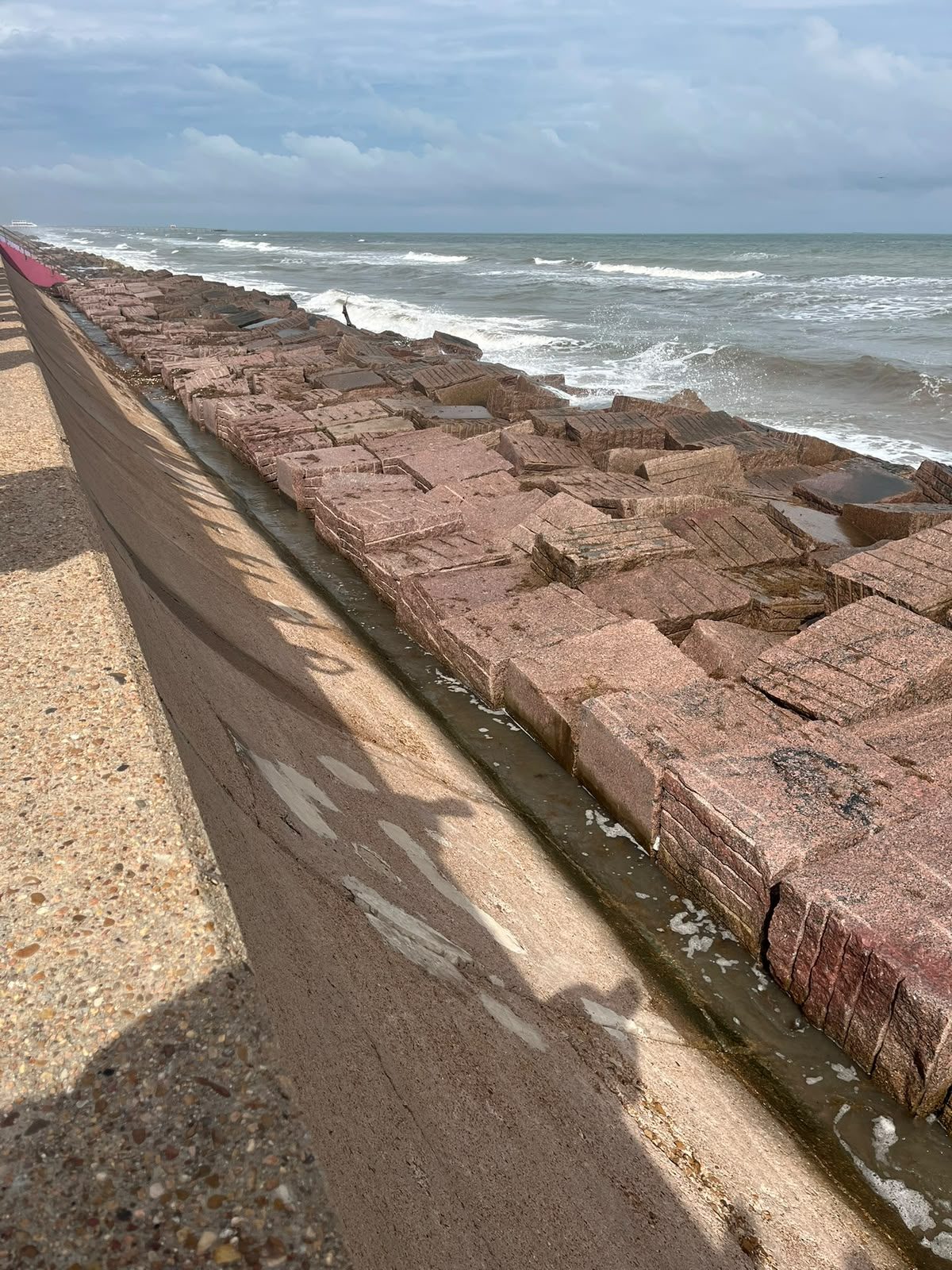
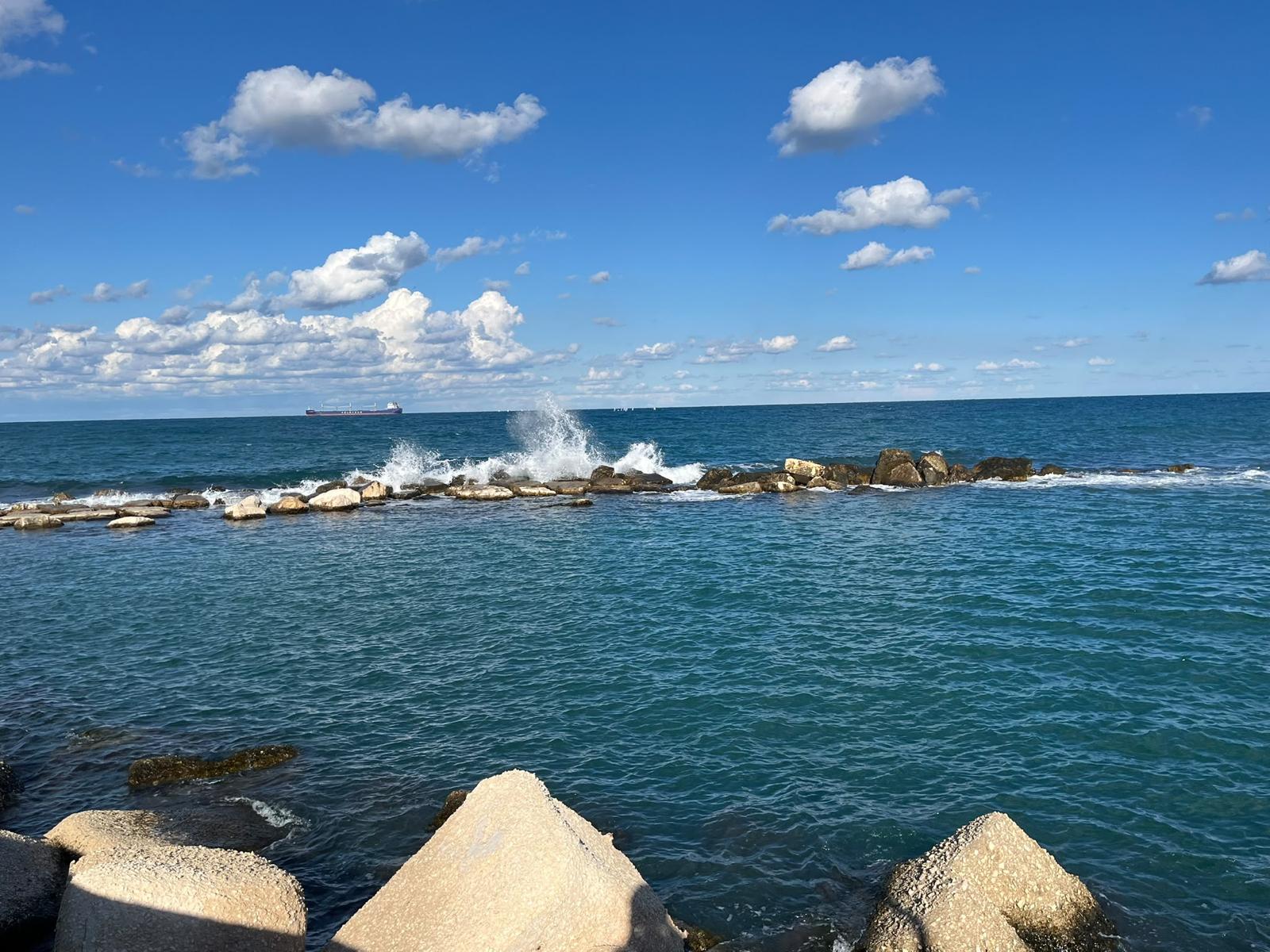
Rubble-mound breakwaters are among the most widely used structures for protecting ports, coastlines and critical infrastructure from wave action. At the heart of their performance is the armour layer - the outer layer of large rock or concrete units that dissipates wave energy and ensures the stability and resilience of the structure.
The challenge
Coastal structures are designed for a future that is inherently uncertain. Yet, current design practice still largely relies on empirical formulae and fixed safety factors, without explicitly quantifying the probability of failure. As climate change and evolving met-ocean conditions increase uncertainty, this can lead to structures that are either over-conservative and unnecessarily costly, or insufficiently robust against future conditions.
The PRO-ARMOUR approach
PRO-ARMOUR moves from deterministic safety factors to probability-based design. The project combines large-scale physical experiments, probabilistic modelling and physics-informed Artificial Intelligence to explicitly account for the uncertainties governing armour stability. A new experimental dataset provides the physical evidence. Probabilistic models quantify risk. AI surrogate models translate computationally demanding analyses into fast and practical engineering tools.
The goal is to bridge the gap between rigorous uncertainty quantification and everyday coastal engineering practice.
From research to engineering practice
a validated probabilistic framework for the design of rock-armoured slopes.
build a new physical dataset on armour stability and wave–structure interaction.
develop physics-informed AI surrogate models capable of reproducing complex predictions at a fraction of the computational cost.
turn scientific advances into practical methods and guidance for coastal engineers.
Work Packages
Development of AI-data-driven surrogate model (M3.2)
Time schedule
| Year 1 — 2026/27 | Year 2 — 2027/28 | |||||||||||||||||||||||
|---|---|---|---|---|---|---|---|---|---|---|---|---|---|---|---|---|---|---|---|---|---|---|---|---|
| O | N | D | J | F | M | A | M | J | J | A | S | O | N | D | J | F | M | A | M | J | J | A | S | |
| WP1 (6 months) | ||||||||||||||||||||||||
| — T1.1 System definition and probabilistic model formulation | ||||||||||||||||||||||||
| — T1.2 Development of response-based physical model — M1 | ||||||||||||||||||||||||
| WP2 (8 months) | ||||||||||||||||||||||||
| — T2.1 Experimental design | ||||||||||||||||||||||||
| — T2.2 Experimental setup and test execution | ||||||||||||||||||||||||
| — T2.3 Data processing & extraction of metrics — M2 | ||||||||||||||||||||||||
| WP3 (8 months) | ||||||||||||||||||||||||
| — T3.1 Calibration of probabilistic model using 3D experimental data | ||||||||||||||||||||||||
| — T3.2 Development of AI-based surrogate model — M3.1 | ||||||||||||||||||||||||
| — T3.3 Monte Carlo simulation and sensitivity analysis — M3.2 | ||||||||||||||||||||||||
| WP4 (runs throughout) | ||||||||||||||||||||||||
| — T4.1 Toolbox implementation and release — M4 | ||||||||||||||||||||||||
| WP5 (runs throughout) | ||||||||||||||||||||||||